
Sepsis and Septic Shock
Infection that turns systemic. Recognition speed determines survival more than any single intervention that follows.
File
MUL-04
- Read
- 10 min
- Alerts
- 2
- Actions
- 6
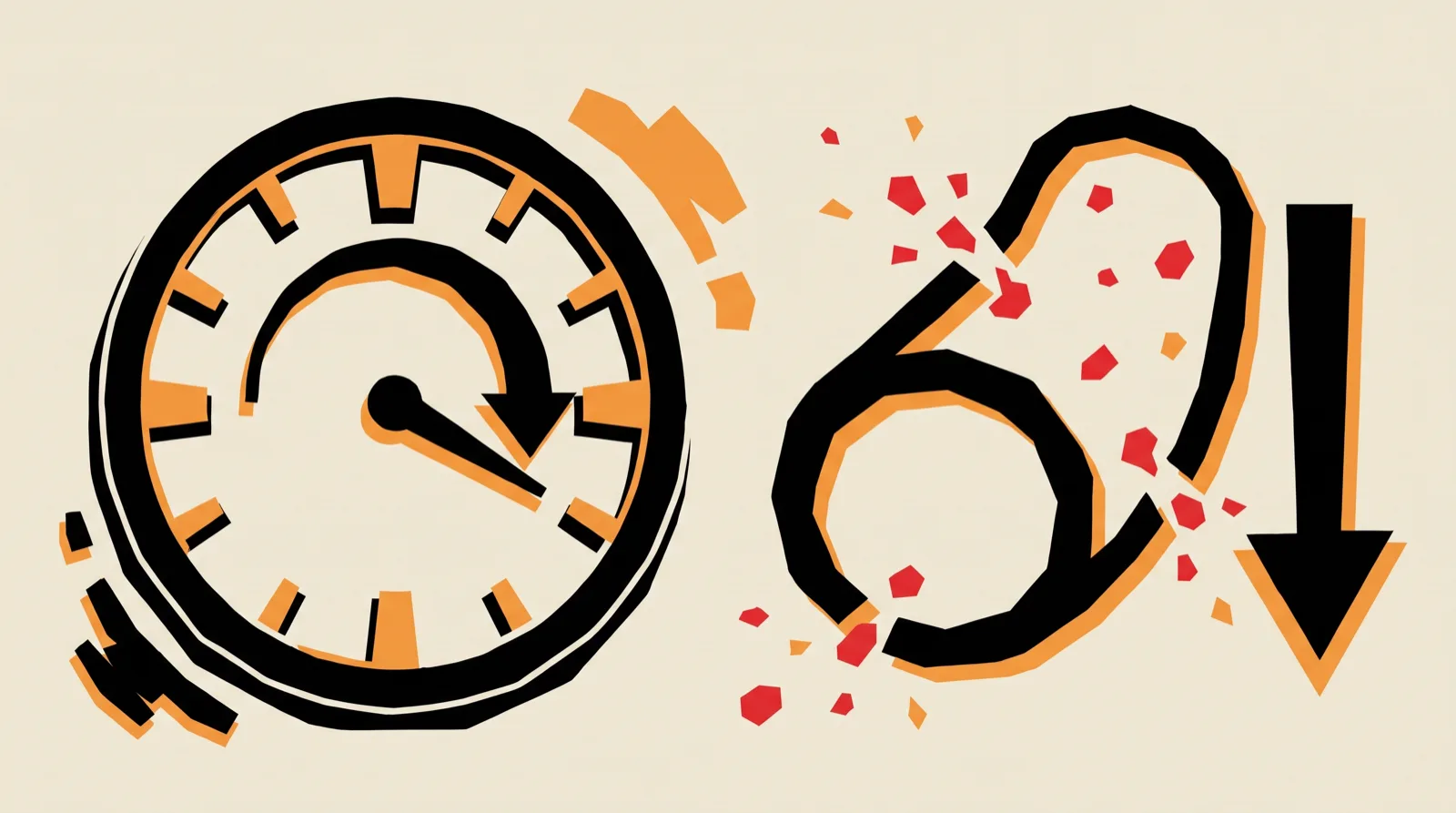
Blood cultures are drawn before antibiotics begin
CriticalOnce antibiotics are administered, cultures may fail to grow the causative organism, removing the ability to narrow therapy.
New confusion may be the only early sign
CriticalIn older adults, altered mental status and hypothermia can precede fever and hypotension. Treat new confusion as a perfusion problem until proven otherwise.
Reference values
> 2mmol/L
Signals tissue hypoperfusion before blood pressure drops. Recheck after fluid resuscitation.
> 4mmol/L
Septic shock territory. Demands aggressive resuscitation and a source hunt.
≥ 65mmHg
The pressure organs actually need to stay perfused — a better resuscitation endpoint than systolic alone.
≥ 0.5mL/kg/hr
Real-time evidence the kidneys are being perfused. Falling output is an early warning, not a late one.
≥ 22breaths/min
One of three bedside criteria with altered mentation and systolic ≤ 100. Two of three warrants escalation.
01What is actually happening
Sepsis is not simply a severe infection. It is the body's own response to infection turning destructive.
Inflammatory mediators flood the circulation. Vessels dilate everywhere at once, capillaries begin to leak, and microthrombi form throughout the microvasculature. The result is a patient who may have a normal or even high cardiac output yet is not perfusing tissue — blood is in the wrong place, and oxygen is not reaching cells.
Septic shock is the point at which that hypotension persists despite adequate fluid resuscitation and vasopressors are required.
02Recognising it early
Early sepsis is often warm — flushed skin, bounding pulses, fever, and a widened pulse pressure from vasodilation. This is the window where intervention changes outcomes, and it is easy to under-call because the patient does not look like classic shock.
Late sepsis becomes cold — mottled, clammy, thready pulses, and a narrowing pulse pressure as compensation fails.
The findings that should prompt escalation:
- Altered mental status, often the very first change, especially in older adults
- Respiratory rate of 22 or more
- Systolic blood pressure of 100 mmHg or less
- Rising lactate
- Falling urine output
In older adults, confusion and hypothermia may be the only presenting signs. Absence of fever does not rule out sepsis.
03The first hour
Sepsis care is bundled because sequence and speed matter more than any individual element.
- Measure lactate, and remeasure if it is elevated
- Draw blood cultures before antibiotics — this is the ordering detail that gets tested, because once antibiotics are in, cultures may never identify the organism
- Give broad-spectrum antibiotics rapidly; every hour of delay measurably increases mortality
- Begin rapid crystalloid resuscitation for hypotension or an elevated lactate
- Start vasopressors if hypotension persists after fluids, targeting a MAP of at least 65 mmHg
Cultures before antibiotics — but never let culture collection delay the antibiotics meaningfully.
Nursing actions
- 01Escalate immediately — sepsis is time-critical and mortality climbs hourly.
- 02Obtain cultures from all suspected sources before the first antibiotic dose.
- 03Establish large-bore access and begin ordered crystalloid resuscitation.
- 04Monitor MAP, lactate trend, and hourly urine output as perfusion endpoints.
- 05Reassess volume status frequently during aggressive resuscitation.
- 06Maintain meticulous infection control to prevent secondary sources.
Sources
| Source | License |
|---|---|
| Open RN — Nursing Fundamentals / Pharmacology (CC BY 4.0)Informed scope and sequence. Prose written originally for this portal. | CC-BY-4.0 |
| MedlinePlus / NIH | Public Domain (US Gov) |