Black Box, High Alert, and the Antidote You Must Be Able to Name
Why high-alert is not the same as dangerous
A high-alert medication is not one that harms often. It is one where an error, though no more likely than with any other drug, carries devastating consequences. That is the whole definition. ISMP names the acute-care categories, and the reason they are grouped is that they all reward the same defenses: independent double checks, standard concentrations, and removal from floor stock.
The categories, with the reason
| High-alert category | Why it qualifies |
|---|---|
| anticoagulants | bleeding is invisible until it is severe, and reversal is time-critical |
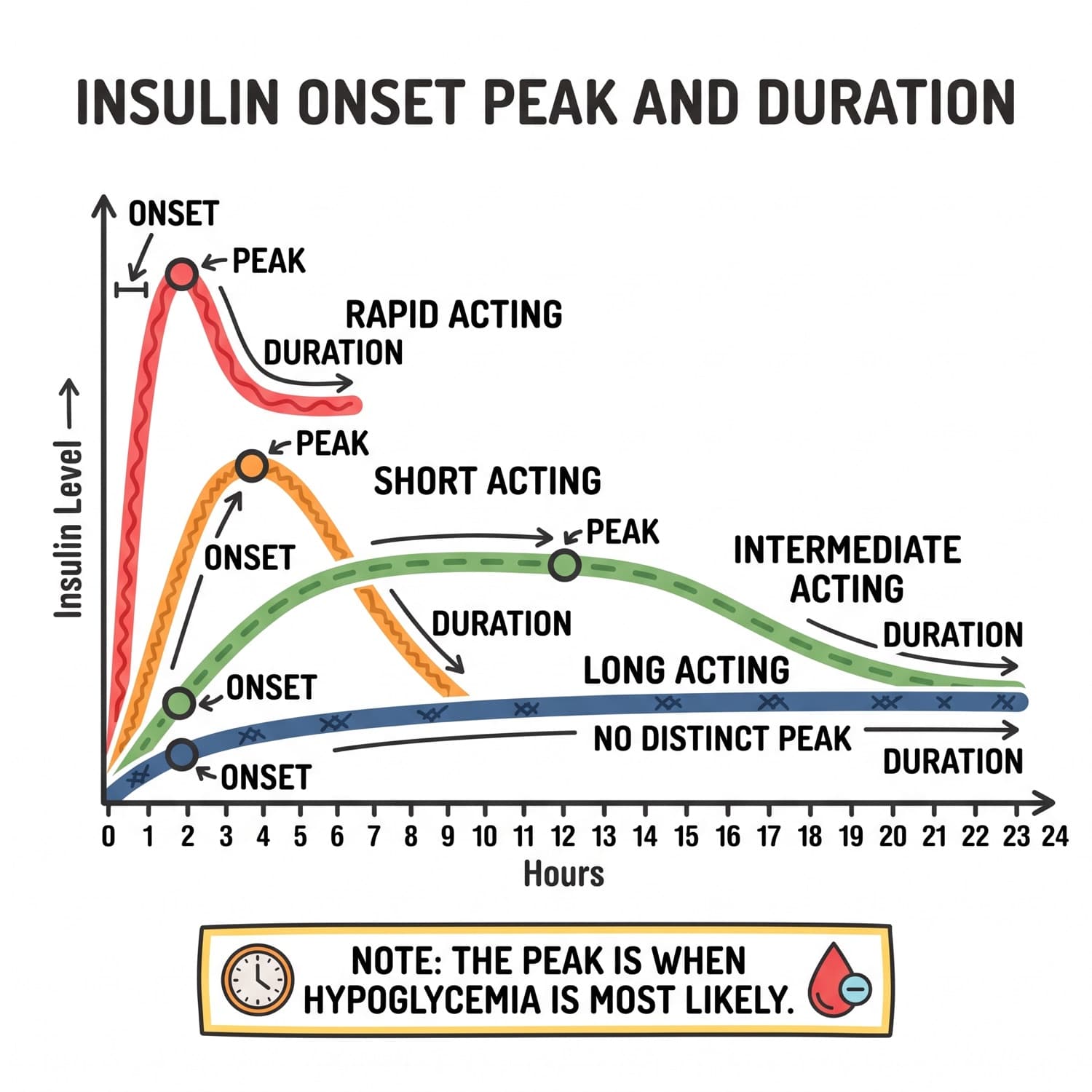
| insulins | a tenfold error is easy to make and hypoglycemia moves faster than the response |
| opioids and other sedating agents | respiratory depression, often in a patient nobody is watching |
| neuromuscular blocking agents | paralysis without sedation, and no ventilatory reserve if the airway is not secured |
| concentrated electrolytes, including potassium chloride for injection | fatal on rapid intravenous administration; never given undiluted by push |
| chemotherapeutic agents | narrow margin between effect and toxicity, plus extravasation injury |
What a boxed warning is
The strongest warning the FDA requires in a drug's labeling, applied when a serious or life-threatening risk exists. It is a labeling designation, not a ban. Current examples: tendinitis, tendon rupture and peripheral neuropathy with fluoroquinolones; lactic acidosis with metformin; cardiovascular thrombotic events and gastrointestinal bleeding with nonsteroidal anti-inflammatory drugs; severe tissue injury with intravenous promethazine; fetal toxicity with angiotensin-converting enzyme inhibitors and angiotensin II receptor blockers.
The antidote and reversal pairings
| Drug or class | Reversal or antidote |
|---|---|
| opioids | naloxone |
| benzodiazepines | flumazenil, with caution |
| acetaminophen | acetylcysteine |
| unfractionated heparin | protamine sulfate |
| warfarin | phytonadione, plus four-factor prothrombin complex concentrate for major bleeding |
| dabigatran | idarucizumab |
| apixaban and rivaroxaban | andexanet alfa |
| digoxin | digoxin immune fab |
| magnesium sulfate | calcium gluconate |
| nondepolarizing neuromuscular blockers | sugammadex, or neostigmine with an anticholinergic |
| iron | deferoxamine |
| methotrexate | leucovorin |
| cholinergic excess, including cholinesterase-inhibitor poisoning | atropine, with pralidoxime for organophosphates |
Watch outnever give flumazenil reflexively. In chronic benzodiazepine use and in mixed ingestion, seizures follow, and the seizure is then harder to treat because the receptor is blocked.
Margin noteif you can't name the reversal, you're not ready to hang it. Tick box: ten pairs, no notes. The high-alert map at map level → BOOK 01 · P24. No antidote dose appears here → BOOK 06. No psychotropic boxed warning → BOOK 14.
TakeawayHigh-alert status is about the size of the consequence, and every high-alert class the exam tests has a reversal agent or a defined rescue action.